Buy brewista.eu ?
We are moving the project
brewista.eu .
Are you interested in purchasing the domain
brewista.eu ?
domain@kv-gmbh.de · 0541-91531010
Buy brewista.eu ?
'Genitive or accusative?'
The genitive case is used to show possession or relationship between nouns, while the accusative case is used to show the direct object of a verb. In general, the genitive case is used to indicate ownership or association, while the accusative case is used to indicate the direct object of a verb or the object of a preposition. The choice between genitive and accusative depends on the specific context and the grammatical rules of the language being used. **
Dative or accusative?
Dative and accusative are two different cases in grammar that indicate the relationship between a verb and its object. The dative case is used to show the indirect object of a verb, while the accusative case is used to show the direct object. To determine whether to use dative or accusative, you need to consider the verb in the sentence and identify whether the object is receiving the action directly (accusative) or indirectly (dative). **

Similar search terms for Accusative
Top-Angebote
Products related to Accusative:
-
Philips Barista Brew Semi-Automatic Espresso Machine with Americano, Dual Bean Hopper & Cappuccino SystemImmerse yourself in the artistry of coffee making with the Philips Barista Brew Espresso Machine. Elevate your home barista journey with intuitive guidance, a 280g dual bean container, and a precision-crafted 58mm stainless steel portafilter.699,99 $*Shipping: 0,00 $Secure redirect to the provider


-
Genitive or accusative?
The genitive case is used to show possession or relationship between nouns, while the accusative case is used to show the direct object of a verb or the object of certain prepositions. In general, the genitive case is used to indicate possession or belonging, while the accusative case is used to indicate the direct object of a verb or the object of a preposition. The choice between genitive and accusative depends on the specific context and the grammatical rules of the language being used. **
-
Whom or what accusative?
The accusative case is used to indicate the direct object of a verb in a sentence. It answers the question "whom" or "what" is receiving the action of the verb. In English, the accusative case is often marked by word order or prepositions, while in some languages, such as Latin or German, it is marked by changes in the form of the noun or pronoun. **
-
Tolerate dative or accusative?
Whether to use the dative or accusative case in German depends on the verb being used and the prepositions that accompany it. Some verbs require the dative case, such as helfen (to help) or danken (to thank), while others require the accusative case, such as sehen (to see) or essen (to eat). It is important to learn which case each verb requires in order to use the correct form in a sentence. **
-
What is a subject accusative?
A subject accusative is a linguistic phenomenon where the direct object of a verb is marked with the accusative case, typically in languages that have a nominative-accusative alignment. This can occur in languages like Latin or Greek, where the accusative case is used to mark the direct object of a transitive verb. In these cases, the subject of the sentence is in the nominative case, while the direct object takes the accusative case. **

Nominative or accusative in Latin?
In Latin, the nominative case is used for the subject of a sentence, while the accusative case is used for the direct object. The nominative case is also used for predicate nominatives, which rename the subject. The accusative case is used for nouns that receive the action of the verb. **
What is the difference between accusative and accusative object, and dative and dative object?
The accusative case is used to indicate the direct object of a verb, while the accusative object is the noun or pronoun that receives the action of the verb. For example, in the sentence "I see the dog," "the dog" is in the accusative case and is the accusative object. Similarly, the dative case is used to indicate the indirect object of a verb, while the dative object is the noun or pronoun that receives the action indirectly. For example, in the sentence "I give the book to her," "her" is in the dative case and is the dative object. **
Top-Angebote
Products related to Accusative:
-
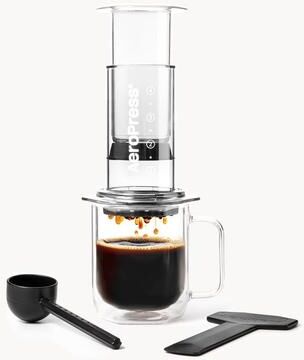
AeroPress Clear Coffee PressOur iconic coffee press, made with the same patented technology, now available in clear, shatterproof Tritan™. 3-in-1 brew technology combines the best of several brew methods into one easy to use, very portable device.49,95 $*Shipping: 0,00 $Secure redirect to the provider
-
'Genitive or accusative?'
The genitive case is used to show possession or relationship between nouns, while the accusative case is used to show the direct object of a verb. In general, the genitive case is used to indicate ownership or association, while the accusative case is used to indicate the direct object of a verb or the object of a preposition. The choice between genitive and accusative depends on the specific context and the grammatical rules of the language being used. **
-
Dative or accusative?
Dative and accusative are two different cases in grammar that indicate the relationship between a verb and its object. The dative case is used to show the indirect object of a verb, while the accusative case is used to show the direct object. To determine whether to use dative or accusative, you need to consider the verb in the sentence and identify whether the object is receiving the action directly (accusative) or indirectly (dative). **
-
Genitive or accusative?
The genitive case is used to show possession or relationship between nouns, while the accusative case is used to show the direct object of a verb or the object of certain prepositions. In general, the genitive case is used to indicate possession or belonging, while the accusative case is used to indicate the direct object of a verb or the object of a preposition. The choice between genitive and accusative depends on the specific context and the grammatical rules of the language being used. **
-
Whom or what accusative?
The accusative case is used to indicate the direct object of a verb in a sentence. It answers the question "whom" or "what" is receiving the action of the verb. In English, the accusative case is often marked by word order or prepositions, while in some languages, such as Latin or German, it is marked by changes in the form of the noun or pronoun. **
Similar search terms for Accusative
-
Philips Barista Brew Semi-Automatic Espresso Machine with Americano, Dual Bean Hopper & Cappuccino SystemImmerse yourself in the artistry of coffee making with the Philips Barista Brew Espresso Machine. Elevate your home barista journey with intuitive guidance, a 280g dual bean container, and a precision-crafted 58mm stainless steel portafilter.699,99 $*Shipping: 0,00 $Secure redirect to the provider
-
Spector 20 Bar Espresso Coffee Machine Maker Milk Frother Cappuccino Latte Cafe Silver 1LElevate your daily coffee ritual with the Spector espresso machine, a high performance appliance that brings professional barista quality results to your home kitchen. Encased in a sleek stainless steel finish, this machine features an intuitive LCD touch control panel that makes crafting your favourite beverage simpler than ever. At its heart is a powerful 1350W heating system paired with a professional 20 bar ULKA pump, engineered to deliver exceptional extraction with a rich crema and deep, full bodied flavour. Whether you are preparing a quick morning boost or hosting guests, the one touch selection for single or double shots ensures consistent results with minimal effort. This versatile unit excels at creating milk based classics, featuring a professional grade steam wand that produces smooth micro foam for perfect lattes and cappuccinos. Maintenance is effortless thanks to the large 1.8L removable water tank and detachable drip tray, allowing you to focus on the brew rather than the clean up. The integrated cup warming plate, aluminium portafilter, and double layer stainless steel filter ensure every cup meets a high standard of excellence. Safety is prioritised with built in overheat and over pressure protection, providing total peace of mind during daily use. Its compact footprint makes it an ideal choice for apartments or offices where space is at a premium without compromising on power. Please note that a 1 to 3cm manual measurement variance may occur, and slight colour differences are possible due to monitor settings. Choose Spector for a reliable and stylish addition to your morning routine. Spector94,99 £*Shipping: 0,00 £Secure redirect to the provider
-
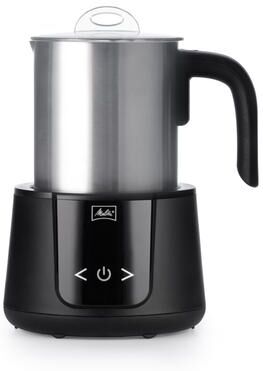
Melitta Montalatte Cappuccino and Latte FrotherFrothing has never been easier! The Melitta® Montalatte makes extra creamy, super foamy froth in minutes for perfect cappuccinos and lattes just like the ones at your favorite coffee shop. Montalatte also foams vegan milk.129,99 $*Shipping: 0,00 $Secure redirect to the provider
-
Tolerate dative or accusative?
Whether to use the dative or accusative case in German depends on the verb being used and the prepositions that accompany it. Some verbs require the dative case, such as helfen (to help) or danken (to thank), while others require the accusative case, such as sehen (to see) or essen (to eat). It is important to learn which case each verb requires in order to use the correct form in a sentence. **
-
What is a subject accusative?
A subject accusative is a linguistic phenomenon where the direct object of a verb is marked with the accusative case, typically in languages that have a nominative-accusative alignment. This can occur in languages like Latin or Greek, where the accusative case is used to mark the direct object of a transitive verb. In these cases, the subject of the sentence is in the nominative case, while the direct object takes the accusative case. **
-
Nominative or accusative in Latin?
In Latin, the nominative case is used for the subject of a sentence, while the accusative case is used for the direct object. The nominative case is also used for predicate nominatives, which rename the subject. The accusative case is used for nouns that receive the action of the verb. **
-
What is the difference between accusative and accusative object, and dative and dative object?
The accusative case is used to indicate the direct object of a verb, while the accusative object is the noun or pronoun that receives the action of the verb. For example, in the sentence "I see the dog," "the dog" is in the accusative case and is the accusative object. Similarly, the dative case is used to indicate the indirect object of a verb, while the dative object is the noun or pronoun that receives the action indirectly. For example, in the sentence "I give the book to her," "her" is in the dative case and is the dative object. **
* All prices are inclusive of VAT and, if applicable, plus shipping costs. The offer information is based on the details provided by the respective shop and is updated through automated processes. Real-time updates do not occur, so deviations can occur in individual cases. ** Note: Parts of this content were created by AI.