Buy brewista.eu ?
We are moving the project
brewista.eu .
Are you interested in purchasing the domain
brewista.eu ?
domain@kv-gmbh.de · 0541-91531010
Buy brewista.eu ?
Why doesn't Ralph Siegel come to the ESC anymore?
Ralph Siegel, a prolific songwriter and composer, has been involved in the Eurovision Song Contest for many years. However, in recent years, he has not been as active in the contest. This could be due to a variety of reasons, such as a shift in his career focus, personal reasons, or changes in the music industry. Additionally, the Eurovision Song Contest has evolved over time, and Siegel may have chosen to pursue other opportunities in the music industry. **
How do you press the clutch?
To press the clutch, you need to use your left foot to push down on the clutch pedal located to the left of the brake pedal in a manual transmission vehicle. Press the clutch pedal all the way to the floor to disengage the engine from the transmission, allowing you to change gears smoothly. Make sure to press the clutch fully before shifting gears to avoid grinding or damaging the transmission. **
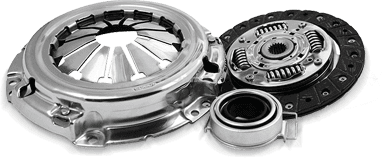

Similar search terms for SIEGEL-AUTOMOTIVE-SA3A0059-Clutch
Top-Angebote
Products related to SIEGEL-AUTOMOTIVE-SA3A0059-Clutch:
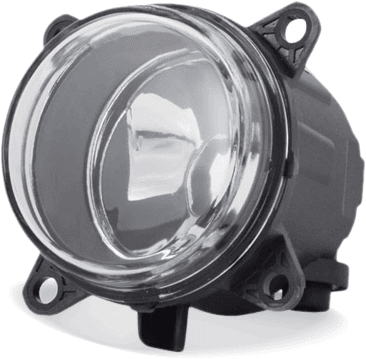

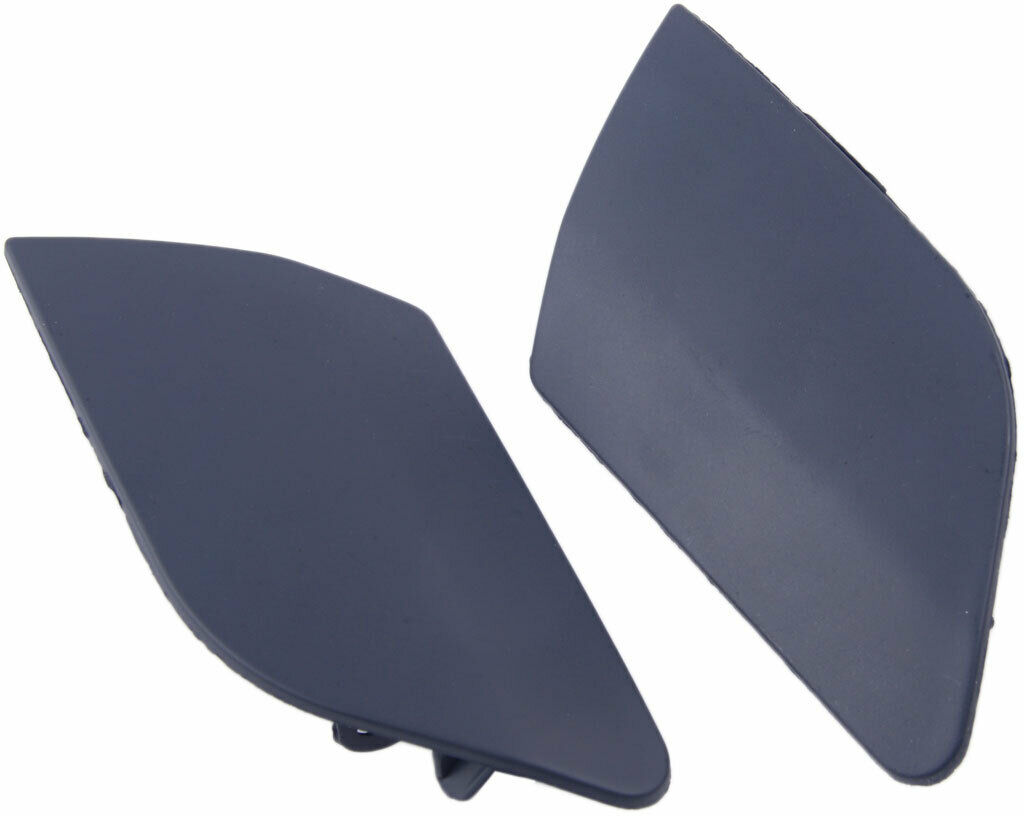

-
How do I press the clutch?
To press the clutch in a manual transmission vehicle, you need to use your left foot. Place your foot on the clutch pedal, which is located to the left of the brake pedal. Press the clutch pedal all the way down to disengage the engine from the transmission, allowing you to change gears smoothly. Make sure to press the clutch fully to the floor before shifting gears to avoid grinding or damaging the transmission. **
-
How do you change the clutch during training to become an automotive mechatronics technician?
To change the clutch during training to become an automotive mechatronics technician, you would typically start by learning the theoretical aspects of clutches and their function in a vehicle. This would involve studying the different types of clutches, their components, and how they operate. Then, you would move on to practical training, where you would work on actual vehicles under the supervision of experienced technicians. This hands-on experience would involve tasks such as removing the old clutch, inspecting for any damage, installing a new clutch, and adjusting it to ensure proper operation. Throughout the training, you would also learn about safety procedures, proper tool usage, and troubleshooting techniques related to clutch systems. **
-
Why is the clutch hard to press?
The clutch may be hard to press due to several reasons. One common reason is a worn-out clutch disc, which can make it difficult to disengage the clutch. Another reason could be low hydraulic fluid levels in the clutch system, leading to increased resistance when pressing the clutch pedal. Additionally, a malfunctioning clutch release bearing or pressure plate can also cause the clutch to be hard to press. It is important to have the clutch system inspected and repaired by a professional to ensure safe and smooth operation of the vehicle. **
-
What happens when you press the clutch?
When you press the clutch in a manual transmission vehicle, the clutch disengages the engine from the transmission, allowing you to change gears without causing damage to the transmission. This disconnection interrupts the power flow from the engine to the wheels, allowing you to shift gears smoothly. Once you release the clutch, the engine and transmission re-engage, and power is once again transmitted to the wheels. **

Should you press the clutch when turning?
Yes, it is generally a good idea to press the clutch when turning, especially if you are driving a manual transmission vehicle. Pressing the clutch disengages the engine from the wheels, allowing you to smoothly navigate the turn without stalling the engine. This can also help to reduce wear and tear on the transmission and make for a more comfortable driving experience. However, if you are driving an automatic transmission vehicle, pressing the clutch is not necessary as the transmission will handle the disengagement of the engine automatically. **
Should you always press the clutch when braking?
It is not always necessary to press the clutch when braking. If you are coming to a complete stop, it is recommended to press the clutch to prevent stalling the engine. However, if you are just slowing down or downshifting, you can use engine braking without pressing the clutch. It ultimately depends on the driving situation and personal preference. **
Top-Angebote
Products related to SIEGEL-AUTOMOTIVE-SA3A0059-Clutch:
-
Why doesn't Ralph Siegel come to the ESC anymore?
Ralph Siegel, a prolific songwriter and composer, has been involved in the Eurovision Song Contest for many years. However, in recent years, he has not been as active in the contest. This could be due to a variety of reasons, such as a shift in his career focus, personal reasons, or changes in the music industry. Additionally, the Eurovision Song Contest has evolved over time, and Siegel may have chosen to pursue other opportunities in the music industry. **
-
How do you press the clutch?
To press the clutch, you need to use your left foot to push down on the clutch pedal located to the left of the brake pedal in a manual transmission vehicle. Press the clutch pedal all the way to the floor to disengage the engine from the transmission, allowing you to change gears smoothly. Make sure to press the clutch fully before shifting gears to avoid grinding or damaging the transmission. **
-
How do I press the clutch?
To press the clutch in a manual transmission vehicle, you need to use your left foot. Place your foot on the clutch pedal, which is located to the left of the brake pedal. Press the clutch pedal all the way down to disengage the engine from the transmission, allowing you to change gears smoothly. Make sure to press the clutch fully to the floor before shifting gears to avoid grinding or damaging the transmission. **
-
How do you change the clutch during training to become an automotive mechatronics technician?
To change the clutch during training to become an automotive mechatronics technician, you would typically start by learning the theoretical aspects of clutches and their function in a vehicle. This would involve studying the different types of clutches, their components, and how they operate. Then, you would move on to practical training, where you would work on actual vehicles under the supervision of experienced technicians. This hands-on experience would involve tasks such as removing the old clutch, inspecting for any damage, installing a new clutch, and adjusting it to ensure proper operation. Throughout the training, you would also learn about safety procedures, proper tool usage, and troubleshooting techniques related to clutch systems. **
Similar search terms for SIEGEL-AUTOMOTIVE-SA3A0059-Clutch
-
SIEGEL AUTOMOTIVE SA9D0001 Shock absorberfor OE number: 58 0134 5779; Fitting Position: Front Axle; Shock Absorber Type: Oil Pressure; Shock Absorber Design: Telescopic Shock Absorber; Shock Absorber System: Twin-Tube; Shock Absorber Mounting Type: Top eye, Bottom eye; Guarantee: 1 year guarantee; Net Weight [g]: 1264166,98 £*Shipping: 8,45 £Secure redirect to the provider
-
Why is the clutch hard to press?
The clutch may be hard to press due to several reasons. One common reason is a worn-out clutch disc, which can make it difficult to disengage the clutch. Another reason could be low hydraulic fluid levels in the clutch system, leading to increased resistance when pressing the clutch pedal. Additionally, a malfunctioning clutch release bearing or pressure plate can also cause the clutch to be hard to press. It is important to have the clutch system inspected and repaired by a professional to ensure safe and smooth operation of the vehicle. **
-
What happens when you press the clutch?
When you press the clutch in a manual transmission vehicle, the clutch disengages the engine from the transmission, allowing you to change gears without causing damage to the transmission. This disconnection interrupts the power flow from the engine to the wheels, allowing you to shift gears smoothly. Once you release the clutch, the engine and transmission re-engage, and power is once again transmitted to the wheels. **
-
Should you press the clutch when turning?
Yes, it is generally a good idea to press the clutch when turning, especially if you are driving a manual transmission vehicle. Pressing the clutch disengages the engine from the wheels, allowing you to smoothly navigate the turn without stalling the engine. This can also help to reduce wear and tear on the transmission and make for a more comfortable driving experience. However, if you are driving an automatic transmission vehicle, pressing the clutch is not necessary as the transmission will handle the disengagement of the engine automatically. **
-
Should you always press the clutch when braking?
It is not always necessary to press the clutch when braking. If you are coming to a complete stop, it is recommended to press the clutch to prevent stalling the engine. However, if you are just slowing down or downshifting, you can use engine braking without pressing the clutch. It ultimately depends on the driving situation and personal preference. **
* All prices are inclusive of VAT and, if applicable, plus shipping costs. The offer information is based on the details provided by the respective shop and is updated through automated processes. Real-time updates do not occur, so deviations can occur in individual cases. ** Note: Parts of this content were created by AI.