Buy brewista.eu ?
We are moving the project
brewista.eu .
Are you interested in purchasing the domain
brewista.eu ?
domain@kv-gmbh.de · 0541-91531010
Buy brewista.eu ?
How is propene produced from 1-propanol and 2-propanol?
Propene can be produced from 1-propanol and 2-propanol through a process called dehydration. In this process, the alcohol is heated in the presence of a catalyst, such as alumina or phosphoric acid, which removes a molecule of water from the alcohol, resulting in the formation of propene. This reaction is an example of an elimination reaction, where a small molecule, in this case water, is removed from a larger molecule to form a new compound. Propene is an important building block in the production of various chemicals and plastics. **
What is the difference between ethanol, 2-propanol, and propanol?
Ethanol, 2-propanol (isopropanol), and propanol are all types of alcohol, but they differ in their chemical structures. Ethanol, also known as ethyl alcohol, has two carbon atoms and is commonly found in alcoholic beverages. 2-propanol, or isopropanol, has three carbon atoms and is commonly used as a solvent and in disinfectants. Propanol, also known as 1-propanol, has three carbon atoms and is used as a solvent and in the production of other chemicals. Each of these alcohols has different properties and uses due to their unique chemical structures. **

Similar search terms for Propanol
Top-Angebote
Products related to Propanol:
-
Philips Barista Brew Semi-Automatic Espresso Machine with Americano, Dual Bean Hopper & Cappuccino SystemImmerse yourself in the artistry of coffee making with the Philips Barista Brew Espresso Machine. Elevate your home barista journey with intuitive guidance, a 280g dual bean container, and a precision-crafted 58mm stainless steel portafilter.699,99 $*Shipping: 0,00 $Secure redirect to the provider
-
Spector 20 Bar Espresso Coffee Machine Maker Milk Frother Cappuccino Latte Cafe Silver 1LElevate your daily coffee ritual with the Spector espresso machine, a high performance appliance that brings professional barista quality results to your home kitchen. Encased in a sleek stainless steel finish, this machine features an intuitive LCD touch control panel that makes crafting your favourite beverage simpler than ever. At its heart is a powerful 1350W heating system paired with a professional 20 bar ULKA pump, engineered to deliver exceptional extraction with a rich crema and deep, full bodied flavour. Whether you are preparing a quick morning boost or hosting guests, the one touch selection for single or double shots ensures consistent results with minimal effort. This versatile unit excels at creating milk based classics, featuring a professional grade steam wand that produces smooth micro foam for perfect lattes and cappuccinos. Maintenance is effortless thanks to the large 1.8L removable water tank and detachable drip tray, allowing you to focus on the brew rather than the clean up. The integrated cup warming plate, aluminium portafilter, and double layer stainless steel filter ensure every cup meets a high standard of excellence. Safety is prioritised with built in overheat and over pressure protection, providing total peace of mind during daily use. Its compact footprint makes it an ideal choice for apartments or offices where space is at a premium without compromising on power. Please note that a 1 to 3cm manual measurement variance may occur, and slight colour differences are possible due to monitor settings. Choose Spector for a reliable and stylish addition to your morning routine. Brand Name: Spector.94,99 £*Shipping: 0,00 £Secure redirect to the provider


-
What are the isomers of propanol?
The isomers of propanol are n-propanol (1-propanol), isopropanol (2-propanol), and tert-butyl alcohol (2-methyl-2-propanol). These isomers have the same molecular formula (C3H8O) but differ in their structural arrangement. N-propanol has a linear chain of three carbon atoms, isopropanol has a branched chain with a methyl group attached to the second carbon atom, and tert-butyl alcohol has a branched chain with a tert-butyl group attached to the second carbon atom. **
-
How effective is Propanol against acne?
Propanol, also known as isopropyl alcohol, is not typically used as a treatment for acne. While it has some antibacterial properties, it is primarily used as a disinfectant and solvent, and can be harsh and drying on the skin. There are many other more effective and gentle treatments for acne, such as benzoyl peroxide, salicylic acid, and prescription medications like retinoids and antibiotics. It is important to consult with a dermatologist to determine the best treatment plan for acne. **
-
What is the reaction equation for propanol?
The reaction equation for propanol is C3H7OH + 4O2 -> 3CO2 + 4H2O. This equation represents the combustion of propanol, where propanol reacts with oxygen to produce carbon dioxide and water. **
-
What can 2-propanol be used for?
2-propanol, also known as isopropyl alcohol, has a wide range of uses. It is commonly used as a solvent for coatings, inks, and adhesives. It is also used as a cleaning agent for electronic devices, such as computer screens and circuit boards. Additionally, 2-propanol is used as a disinfectant and antiseptic in healthcare settings and as a rubbing alcohol for minor cuts and scrapes. **
How can propionic acid be produced from propanol?
Propionic acid can be produced from propanol through a process called oxidation. First, propanol is oxidized to form propionaldehyde using a suitable oxidizing agent such as potassium dichromate. Then, propionaldehyde is further oxidized to propionic acid using a mild oxidizing agent like silver oxide or a catalytic process with air or oxygen. This process can be carried out in the presence of a suitable catalyst and under controlled conditions to ensure the efficient conversion of propanol to propionic acid. **
What is the difference between propanol and propanone?
Propanol and propanone are both organic compounds with similar names, but they have different chemical structures and properties. Propanol, also known as 1-propanol, is a primary alcohol with the chemical formula C3H7OH. It is a colorless liquid with a strong odor and is commonly used as a solvent and in the production of other chemicals. Propanone, also known as acetone, is a ketone with the chemical formula (CH3)2CO. It is a colorless, volatile liquid with a sweet odor and is commonly used as a solvent and in nail polish remover. The main difference between the two is that propanol is an alcohol, while propanone is a ketone. **
Top-Angebote
Products related to Propanol:
-
Philips Barista Brew Semi-Automatic Espresso Machine with Americano, Dual Bean Hopper & Cappuccino SystemImmerse yourself in the artistry of coffee making with the Philips Barista Brew Espresso Machine. Elevate your home barista journey with intuitive guidance, a 280g dual bean container, and a precision-crafted 58mm stainless steel portafilter.699,99 $*Shipping: 0,00 $Secure redirect to the provider
-
How is propene produced from 1-propanol and 2-propanol?
Propene can be produced from 1-propanol and 2-propanol through a process called dehydration. In this process, the alcohol is heated in the presence of a catalyst, such as alumina or phosphoric acid, which removes a molecule of water from the alcohol, resulting in the formation of propene. This reaction is an example of an elimination reaction, where a small molecule, in this case water, is removed from a larger molecule to form a new compound. Propene is an important building block in the production of various chemicals and plastics. **
-
What is the difference between ethanol, 2-propanol, and propanol?
Ethanol, 2-propanol (isopropanol), and propanol are all types of alcohol, but they differ in their chemical structures. Ethanol, also known as ethyl alcohol, has two carbon atoms and is commonly found in alcoholic beverages. 2-propanol, or isopropanol, has three carbon atoms and is commonly used as a solvent and in disinfectants. Propanol, also known as 1-propanol, has three carbon atoms and is used as a solvent and in the production of other chemicals. Each of these alcohols has different properties and uses due to their unique chemical structures. **
-
What are the isomers of propanol?
The isomers of propanol are n-propanol (1-propanol), isopropanol (2-propanol), and tert-butyl alcohol (2-methyl-2-propanol). These isomers have the same molecular formula (C3H8O) but differ in their structural arrangement. N-propanol has a linear chain of three carbon atoms, isopropanol has a branched chain with a methyl group attached to the second carbon atom, and tert-butyl alcohol has a branched chain with a tert-butyl group attached to the second carbon atom. **
-
How effective is Propanol against acne?
Propanol, also known as isopropyl alcohol, is not typically used as a treatment for acne. While it has some antibacterial properties, it is primarily used as a disinfectant and solvent, and can be harsh and drying on the skin. There are many other more effective and gentle treatments for acne, such as benzoyl peroxide, salicylic acid, and prescription medications like retinoids and antibiotics. It is important to consult with a dermatologist to determine the best treatment plan for acne. **
Similar search terms for Propanol
-
Spector 20 Bar Espresso Coffee Machine Maker Milk Frother Cappuccino Latte Cafe Silver 1LElevate your daily coffee ritual with the Spector espresso machine, a high performance appliance that brings professional barista quality results to your home kitchen. Encased in a sleek stainless steel finish, this machine features an intuitive LCD touch control panel that makes crafting your favourite beverage simpler than ever. At its heart is a powerful 1350W heating system paired with a professional 20 bar ULKA pump, engineered to deliver exceptional extraction with a rich crema and deep, full bodied flavour. Whether you are preparing a quick morning boost or hosting guests, the one touch selection for single or double shots ensures consistent results with minimal effort. This versatile unit excels at creating milk based classics, featuring a professional grade steam wand that produces smooth micro foam for perfect lattes and cappuccinos. Maintenance is effortless thanks to the large 1.8L removable water tank and detachable drip tray, allowing you to focus on the brew rather than the clean up. The integrated cup warming plate, aluminium portafilter, and double layer stainless steel filter ensure every cup meets a high standard of excellence. Safety is prioritised with built in overheat and over pressure protection, providing total peace of mind during daily use. Its compact footprint makes it an ideal choice for apartments or offices where space is at a premium without compromising on power. Please note that a 1 to 3cm manual measurement variance may occur, and slight colour differences are possible due to monitor settings. Choose Spector for a reliable and stylish addition to your morning routine. Brand Name: Spector.94,99 £*Shipping: 0,00 £Secure redirect to the provider
-
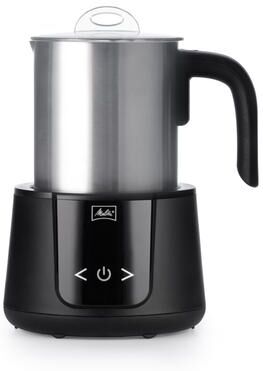
Melitta Montalatte Cappuccino and Latte FrotherFrothing has never been easier! The Melitta® Montalatte makes extra creamy, super foamy froth in minutes for perfect cappuccinos and lattes just like the ones at your favorite coffee shop. Montalatte also foams vegan milk.129,99 $*Shipping: 0,00 $Secure redirect to the provider
-
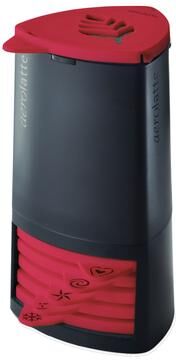
Aerolatte Cappuccino Artist, For Latte Coffee ArtAerolatte's Cappuccino Artist Set stencils powdered ingredients in creative designs to finish frothy beverages with a professional and artistic presentation. Easily transform espresso, coffee, tea, and hot chocolate into barista art.22,13 $*Shipping: 0,00 $Secure redirect to the provider
-
What is the reaction equation for propanol?
The reaction equation for propanol is C3H7OH + 4O2 -> 3CO2 + 4H2O. This equation represents the combustion of propanol, where propanol reacts with oxygen to produce carbon dioxide and water. **
-
What can 2-propanol be used for?
2-propanol, also known as isopropyl alcohol, has a wide range of uses. It is commonly used as a solvent for coatings, inks, and adhesives. It is also used as a cleaning agent for electronic devices, such as computer screens and circuit boards. Additionally, 2-propanol is used as a disinfectant and antiseptic in healthcare settings and as a rubbing alcohol for minor cuts and scrapes. **
-
How can propionic acid be produced from propanol?
Propionic acid can be produced from propanol through a process called oxidation. First, propanol is oxidized to form propionaldehyde using a suitable oxidizing agent such as potassium dichromate. Then, propionaldehyde is further oxidized to propionic acid using a mild oxidizing agent like silver oxide or a catalytic process with air or oxygen. This process can be carried out in the presence of a suitable catalyst and under controlled conditions to ensure the efficient conversion of propanol to propionic acid. **
-
What is the difference between propanol and propanone?
Propanol and propanone are both organic compounds with similar names, but they have different chemical structures and properties. Propanol, also known as 1-propanol, is a primary alcohol with the chemical formula C3H7OH. It is a colorless liquid with a strong odor and is commonly used as a solvent and in the production of other chemicals. Propanone, also known as acetone, is a ketone with the chemical formula (CH3)2CO. It is a colorless, volatile liquid with a sweet odor and is commonly used as a solvent and in nail polish remover. The main difference between the two is that propanol is an alcohol, while propanone is a ketone. **
* All prices are inclusive of VAT and, if applicable, plus shipping costs. The offer information is based on the details provided by the respective shop and is updated through automated processes. Real-time updates do not occur, so deviations can occur in individual cases. ** Note: Parts of this content were created by AI.