Buy brewista.eu ?
We are moving the project
brewista.eu .
Are you interested in purchasing the domain
brewista.eu ?
domain@kv-gmbh.de · 0541-91531010
Buy brewista.eu ?
Is monkshood really so poisonous?
Yes, monkshood, also known as Aconitum, is indeed highly poisonous. All parts of the plant contain toxic alkaloids that can be lethal if ingested. Even small amounts of the plant can cause symptoms such as nausea, vomiting, dizziness, and in severe cases, heart and respiratory failure. It is important to handle monkshood with caution and avoid ingestion or contact with the skin. **
Is the blue monkshood poisonous?
Yes, the blue monkshood (Aconitum napellus) is highly poisonous. All parts of the plant, including the roots, leaves, and flowers, contain toxic alkaloids that can be fatal if ingested. It is important to handle this plant with caution and to keep it away from children and pets. If there is any suspicion of ingestion, immediate medical attention should be sought. **

Similar search terms for Monkshood
Top-Angebote
Products related to Monkshood:
-
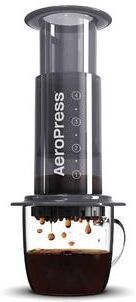
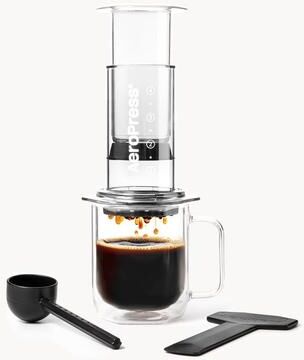
AeroPress Clear Coffee PressOur iconic coffee press, made with the same patented technology, now available in clear, shatterproof Tritan™. 3-in-1 brew technology combines the best of several brew methods into one easy to use, very portable device.49,95 $*Shipping: 0,00 $Secure redirect to the provider
-
Philips Barista Brew Semi-Automatic Espresso Machine with Americano, Dual Bean Hopper & Cappuccino SystemImmerse yourself in the artistry of coffee making with the Philips Barista Brew Espresso Machine. Elevate your home barista journey with intuitive guidance, a 280g dual bean container, and a precision-crafted 58mm stainless steel portafilter.699,99 $*Shipping: 0,00 $Secure redirect to the provider


-
Can you get monkshood in many nurseries?
Monkshood, also known as Aconitum, is a highly toxic plant and is not commonly found in many nurseries. Due to its poisonous nature, it is not widely cultivated or sold by nurseries. Additionally, it is important to note that handling monkshood requires caution and proper knowledge of its toxicity. If you are interested in growing monkshood, it is best to seek out specialty nurseries or online suppliers that specialize in rare or unusual plants. **
-
Is the garden autumn monkshood (Arendsii) poisonous?
Yes, the garden autumn monkshood (Arendsii) is poisonous. All parts of the plant, including the roots, leaves, and flowers, contain toxic alkaloids that can be harmful if ingested. It is important to handle this plant with caution and keep it away from children and pets. If ingested, it can cause symptoms such as nausea, vomiting, and dizziness, and in severe cases, it can be fatal. **
-
How can one stratify the blue monkshood?
To stratify the blue monkshood seeds, you can start by placing the seeds in a damp paper towel and then sealing them in a plastic bag. Place the bag in the refrigerator for a few weeks to simulate the cold, moist conditions that the seeds would experience in nature. After the stratification period, you can then plant the seeds in a well-draining soil mix and keep them consistently moist until they germinate. This process helps to break the seed dormancy and improve germination rates for the blue monkshood. **
-
Would you plant blue monkshood in the garden?
Blue monkshood, also known as Aconitum napellus, is a beautiful but highly toxic plant. Due to its toxicity, it is not recommended to plant blue monkshood in a garden, especially if there are children or pets around who may accidentally ingest it. It is best to choose non-toxic plants for a garden to ensure the safety of all inhabitants. **

What should be considered when growing blue monkshood?
When growing blue monkshood, it is important to consider the plant's preference for moist, well-drained soil and partial shade. It is also important to be aware of the plant's toxicity, as all parts of the plant are poisonous if ingested. Additionally, blue monkshood should be planted in a location where it can be protected from strong winds, as the tall flower spikes can be prone to damage. Finally, regular watering and fertilizing can help promote healthy growth and blooming. **
Where can I find or buy blue monkshood?
Blue monkshood, also known as Aconitum napellus, is a highly toxic plant that is not typically sold in nurseries or garden centers due to its poisonous nature. It is recommended to avoid growing or purchasing this plant, especially if you have children or pets. If you are interested in viewing blue monkshood, you may be able to find it in botanical gardens or natural areas where it grows in the wild. **
Top-Angebote
Products related to Monkshood:
-
AeroPress Clear Coffee PressOur iconic coffee press, made with the same patented technology, now available in clear, shatterproof Tritan™. 3-in-1 brew technology combines the best of several brew methods into one easy to use, very portable device.49,95 $*Shipping: 0,00 $Secure redirect to the provider
-
Is monkshood really so poisonous?
Yes, monkshood, also known as Aconitum, is indeed highly poisonous. All parts of the plant contain toxic alkaloids that can be lethal if ingested. Even small amounts of the plant can cause symptoms such as nausea, vomiting, dizziness, and in severe cases, heart and respiratory failure. It is important to handle monkshood with caution and avoid ingestion or contact with the skin. **
-
Is the blue monkshood poisonous?
Yes, the blue monkshood (Aconitum napellus) is highly poisonous. All parts of the plant, including the roots, leaves, and flowers, contain toxic alkaloids that can be fatal if ingested. It is important to handle this plant with caution and to keep it away from children and pets. If there is any suspicion of ingestion, immediate medical attention should be sought. **
-
Can you get monkshood in many nurseries?
Monkshood, also known as Aconitum, is a highly toxic plant and is not commonly found in many nurseries. Due to its poisonous nature, it is not widely cultivated or sold by nurseries. Additionally, it is important to note that handling monkshood requires caution and proper knowledge of its toxicity. If you are interested in growing monkshood, it is best to seek out specialty nurseries or online suppliers that specialize in rare or unusual plants. **
-
Is the garden autumn monkshood (Arendsii) poisonous?
Yes, the garden autumn monkshood (Arendsii) is poisonous. All parts of the plant, including the roots, leaves, and flowers, contain toxic alkaloids that can be harmful if ingested. It is important to handle this plant with caution and keep it away from children and pets. If ingested, it can cause symptoms such as nausea, vomiting, and dizziness, and in severe cases, it can be fatal. **
Similar search terms for Monkshood
-
Philips Barista Brew Semi-Automatic Espresso Machine with Americano, Dual Bean Hopper & Cappuccino SystemImmerse yourself in the artistry of coffee making with the Philips Barista Brew Espresso Machine. Elevate your home barista journey with intuitive guidance, a 280g dual bean container, and a precision-crafted 58mm stainless steel portafilter.699,99 $*Shipping: 0,00 $Secure redirect to the provider
-
Spector 20 Bar Espresso Coffee Machine Maker Milk Frother Cappuccino Latte Cafe Silver 1LElevate your daily coffee ritual with the Spector espresso machine, a high performance appliance that brings professional barista quality results to your home kitchen. Encased in a sleek stainless steel finish, this machine features an intuitive LCD touch control panel that makes crafting your favourite beverage simpler than ever. At its heart is a powerful 1350W heating system paired with a professional 20 bar ULKA pump, engineered to deliver exceptional extraction with a rich crema and deep, full bodied flavour. Whether you are preparing a quick morning boost or hosting guests, the one touch selection for single or double shots ensures consistent results with minimal effort. This versatile unit excels at creating milk based classics, featuring a professional grade steam wand that produces smooth micro foam for perfect lattes and cappuccinos. Maintenance is effortless thanks to the large 1.8L removable water tank and detachable drip tray, allowing you to focus on the brew rather than the clean up. The integrated cup warming plate, aluminium portafilter, and double layer stainless steel filter ensure every cup meets a high standard of excellence. Safety is prioritised with built in overheat and over pressure protection, providing total peace of mind during daily use. Its compact footprint makes it an ideal choice for apartments or offices where space is at a premium without compromising on power. Please note that a 1 to 3cm manual measurement variance may occur, and slight colour differences are possible due to monitor settings. Choose Spector for a reliable and stylish addition to your morning routine. Spector94,99 £*Shipping: 0,00 £Secure redirect to the provider
-
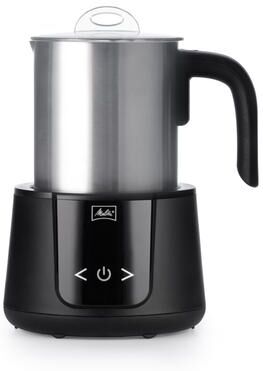
Melitta Montalatte Cappuccino and Latte FrotherFrothing has never been easier! The Melitta® Montalatte makes extra creamy, super foamy froth in minutes for perfect cappuccinos and lattes just like the ones at your favorite coffee shop. Montalatte also foams vegan milk.129,99 $*Shipping: 0,00 $Secure redirect to the provider
-
How can one stratify the blue monkshood?
To stratify the blue monkshood seeds, you can start by placing the seeds in a damp paper towel and then sealing them in a plastic bag. Place the bag in the refrigerator for a few weeks to simulate the cold, moist conditions that the seeds would experience in nature. After the stratification period, you can then plant the seeds in a well-draining soil mix and keep them consistently moist until they germinate. This process helps to break the seed dormancy and improve germination rates for the blue monkshood. **
-
Would you plant blue monkshood in the garden?
Blue monkshood, also known as Aconitum napellus, is a beautiful but highly toxic plant. Due to its toxicity, it is not recommended to plant blue monkshood in a garden, especially if there are children or pets around who may accidentally ingest it. It is best to choose non-toxic plants for a garden to ensure the safety of all inhabitants. **
-
What should be considered when growing blue monkshood?
When growing blue monkshood, it is important to consider the plant's preference for moist, well-drained soil and partial shade. It is also important to be aware of the plant's toxicity, as all parts of the plant are poisonous if ingested. Additionally, blue monkshood should be planted in a location where it can be protected from strong winds, as the tall flower spikes can be prone to damage. Finally, regular watering and fertilizing can help promote healthy growth and blooming. **
-
Where can I find or buy blue monkshood?
Blue monkshood, also known as Aconitum napellus, is a highly toxic plant that is not typically sold in nurseries or garden centers due to its poisonous nature. It is recommended to avoid growing or purchasing this plant, especially if you have children or pets. If you are interested in viewing blue monkshood, you may be able to find it in botanical gardens or natural areas where it grows in the wild. **
* All prices are inclusive of VAT and, if applicable, plus shipping costs. The offer information is based on the details provided by the respective shop and is updated through automated processes. Real-time updates do not occur, so deviations can occur in individual cases. ** Note: Parts of this content were created by AI.