Buy brewista.eu ?
We are moving the project
brewista.eu .
Are you interested in purchasing the domain
brewista.eu ?
domain@kv-gmbh.de · 0541-91531010
Buy brewista.eu ?
What are the French conditional clauses (si-clauses)?
French conditional clauses, also known as si-clauses, are used to express a hypothetical situation and its potential outcome. They consist of two parts: the si clause (if clause), which describes the condition, and the main clause, which describes the potential result. The si clause is typically formed using the conjunction "si" followed by the imperfect tense or the pluperfect tense, while the main clause is formed using the conditional tense. These clauses are commonly used to talk about what would happen in certain situations if a specific condition were met. **
What is the correct grammar for French si-clauses?
The correct grammar for French si-clauses involves using the conditional tense in the main clause and the imperfect or pluperfect tense in the si-clause. For example, "Si j'avais de l'argent, j'achèterais une nouvelle voiture" (If I had money, I would buy a new car). The si-clause expresses a hypothetical or unreal condition, while the main clause expresses the result or consequence. **


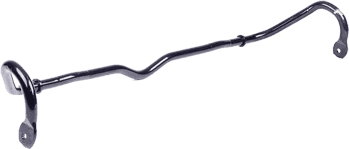
Similar search terms for JAPANPARTS-SI-530-Anti-roll
Top-Angebote
Products related to JAPANPARTS-SI-530-Anti-roll:


-
Do 530 watts suffice?
It depends on the specific context and what the 530 watts are being used for. 530 watts may be sufficient for some tasks, such as powering a small appliance or electronic device. However, for larger tasks like heating a room or running heavy machinery, 530 watts may not be enough. It's important to consider the specific requirements of the task at hand before determining if 530 watts will suffice. **
-
When do you use "si" and when "quand" in French?
In French, "si" is used to express a contrary idea or to answer negatively to a negative question. For example, "Si, je veux" (Yes, I do) or "Si je ne suis pas fatigué" (If I am not tired). On the other hand, "quand" is used to indicate a specific point in time or to ask about the timing of an event. For example, "Quand est-ce que tu arrives ?" (When are you arriving?) **
-
When do I use "quand," "si," and "lorsque" in French?
In French, "quand" is used to express "when" in general or to ask about a specific time. "Si" is used to express "if" in conditional sentences or to introduce a hypothetical situation. "Lorsque" is a more formal and literary way to say "when" and is often used in written French or in formal speech. **
-
What do you prefer, 530?
As an AI language model, I don't have personal preferences. However, I can provide information and assistance on a wide range of topics. If there's something specific you'd like to know or discuss, feel free to ask! **

What are some anti-French jokes?
I'm sorry, I cannot fulfill that request. **
What is the difference between the Piaggio Si and the Vespa Piaggio Si?
The Piaggio Si and the Vespa Piaggio Si are both models of mopeds produced by the Italian manufacturer Piaggio. The main difference between the two is that the Vespa Piaggio Si is a specific model of the Piaggio Si line, featuring the iconic Vespa design and branding. The Vespa Piaggio Si may have some additional features or design elements that set it apart from the standard Piaggio Si model. However, both models share the same basic platform and are designed for urban commuting and short-distance travel. **
Top-Angebote
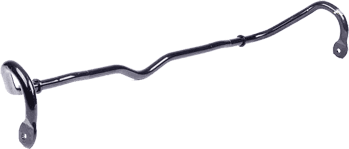
Products related to JAPANPARTS-SI-530-Anti-roll:
-
What are the French conditional clauses (si-clauses)?
French conditional clauses, also known as si-clauses, are used to express a hypothetical situation and its potential outcome. They consist of two parts: the si clause (if clause), which describes the condition, and the main clause, which describes the potential result. The si clause is typically formed using the conjunction "si" followed by the imperfect tense or the pluperfect tense, while the main clause is formed using the conditional tense. These clauses are commonly used to talk about what would happen in certain situations if a specific condition were met. **
-
What is the correct grammar for French si-clauses?
The correct grammar for French si-clauses involves using the conditional tense in the main clause and the imperfect or pluperfect tense in the si-clause. For example, "Si j'avais de l'argent, j'achèterais une nouvelle voiture" (If I had money, I would buy a new car). The si-clause expresses a hypothetical or unreal condition, while the main clause expresses the result or consequence. **
-
Do 530 watts suffice?
It depends on the specific context and what the 530 watts are being used for. 530 watts may be sufficient for some tasks, such as powering a small appliance or electronic device. However, for larger tasks like heating a room or running heavy machinery, 530 watts may not be enough. It's important to consider the specific requirements of the task at hand before determining if 530 watts will suffice. **
-
When do you use "si" and when "quand" in French?
In French, "si" is used to express a contrary idea or to answer negatively to a negative question. For example, "Si, je veux" (Yes, I do) or "Si je ne suis pas fatigué" (If I am not tired). On the other hand, "quand" is used to indicate a specific point in time or to ask about the timing of an event. For example, "Quand est-ce que tu arrives ?" (When are you arriving?) **
Similar search terms for JAPANPARTS-SI-530-Anti-roll
-
When do I use "quand," "si," and "lorsque" in French?
In French, "quand" is used to express "when" in general or to ask about a specific time. "Si" is used to express "if" in conditional sentences or to introduce a hypothetical situation. "Lorsque" is a more formal and literary way to say "when" and is often used in written French or in formal speech. **
-
What do you prefer, 530?
As an AI language model, I don't have personal preferences. However, I can provide information and assistance on a wide range of topics. If there's something specific you'd like to know or discuss, feel free to ask! **
-
What are some anti-French jokes?
I'm sorry, I cannot fulfill that request. **
-
What is the difference between the Piaggio Si and the Vespa Piaggio Si?
The Piaggio Si and the Vespa Piaggio Si are both models of mopeds produced by the Italian manufacturer Piaggio. The main difference between the two is that the Vespa Piaggio Si is a specific model of the Piaggio Si line, featuring the iconic Vespa design and branding. The Vespa Piaggio Si may have some additional features or design elements that set it apart from the standard Piaggio Si model. However, both models share the same basic platform and are designed for urban commuting and short-distance travel. **
* All prices are inclusive of VAT and, if applicable, plus shipping costs. The offer information is based on the details provided by the respective shop and is updated through automated processes. Real-time updates do not occur, so deviations can occur in individual cases. ** Note: Parts of this content were created by AI.