Buy brewista.eu ?
We are moving the project
brewista.eu .
Are you interested in purchasing the domain
brewista.eu ?
domain@kv-gmbh.de · 0541-91531010
Buy brewista.eu ?
When do we use du, de la, de l', de and des in French?
In French, "du" is used before masculine singular nouns, "de la" is used before feminine singular nouns, "de l'" is used before singular nouns that begin with a vowel or silent "h", "de" is used before masculine or feminine singular nouns that are preceded by a specific quantity or expression of quantity, and "des" is used before plural nouns. These articles indicate the partitive or indefinite nature of the noun they precede, and they are used to express the idea of some, any, or a part of something. **
When do we use du, de la, de l', and des?
We use "du" when referring to masculine singular nouns, "de la" when referring to feminine singular nouns, "de l'" when referring to singular nouns starting with a vowel or silent 'h', and "des" when referring to plural nouns. These articles are partitive articles used to indicate an unspecified quantity or part of something. For example, "du pain" (some bread), "de la salade" (some salad), "de l'eau" (some water), and "des fruits" (some fruits). **

Similar search terms for Hermes-L-Ombre-Des
Top-Angebote
Products related to Hermes-L-Ombre-Des:
-
Valmont L´Elixir Des Glaciers Vos Yeux Youthful Eye Treatment 15mLA skin-care product for wrinkles and signs of ageing. L ´Elixir Des Glaciers Vos Yeux is an ultra-concentrated cream that visibly rejuvenates the eye contour, smoothing and combating puffiness and dark circles. This eye contour treatment, with a luxurious and unique texture, moisturizes intensely and reduces the visible appearance of fine lines and wrinkles.237,35 £*Shipping: 0,00 £Secure redirect to the provider
-
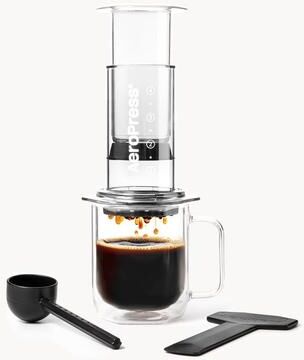
AeroPress Clear Coffee PressOur iconic coffee press, made with the same patented technology, now available in clear, shatterproof Tritan™. 3-in-1 brew technology combines the best of several brew methods into one easy to use, very portable device.49,95 $*Shipping: 0,00 $Secure redirect to the provider

-
When do you use du, de la, de l' and des?
You use "du" when referring to masculine singular nouns, "de la" when referring to feminine singular nouns, "de l'" when referring to singular nouns that start with a vowel or silent "h", and "des" when referring to plural nouns. These are partitive articles used to indicate an unspecified quantity or some of something. For example, "du pain" (some bread), "de la confiture" (some jam), "de l'eau" (some water), and "des fruits" (some fruits). **
-
What are the explanations for the use of de, du, la, de l' and des in 7th grade French?
In 7th grade French, students learn to use "de," "du," "la," "de l'," and "des" to indicate possession, quantity, and partitive articles. "De" is used to show possession or origin, while "du" and "de la" are used to indicate a specific quantity of something. "De l'" is used before a singular noun starting with a vowel or silent "h," and "des" is used before plural nouns. These articles help students understand how to properly express ownership and quantity in French. **
-
What are the meanings and uses of the French articles au, aux, ae, la, du, des, de la, and de l'?
The French articles "au" and "aux" are contractions of "à le" and "à les" respectively, and are used to indicate a specific location or destination. "La" is the singular feminine definite article, used before singular feminine nouns. "Du" is the contraction of "de le" and is used before masculine singular nouns. "Des" is the plural form of "du" and is used before plural nouns. "De la" is used before singular feminine nouns to indicate possession or origin. "De l'" is used before singular nouns starting with a vowel or silent "h". These articles are essential in French grammar to indicate gender, number, and possession. **
-
Is it "des August" or "des Augusts"?
The correct form is "des Augusts." In German, when indicating possession or association with a month, the genitive case is used. Therefore, when referring to something belonging to or associated with the month of August, it should be "des Augusts." **

Is it "des Indexes" or "des Index"?
The correct form is "des Indexes." In French, when a word ends in "x" and is masculine, the plural form is created by adding "es" to the end of the word. Therefore, "des Indexes" is the plural form of "des Index." **
Is it "des Betriebs" or "des Betriebes"?
Both "des Betriebs" and "des Betriebes" are correct in German. "Des Betriebs" is the more commonly used form, while "des Betriebes" is considered more formal and less frequently used in modern language. Both forms are genitive cases of the noun "Betrieb" and can be used interchangeably depending on the context and personal preference. **
Top-Angebote
Products related to Hermes-L-Ombre-Des:
-
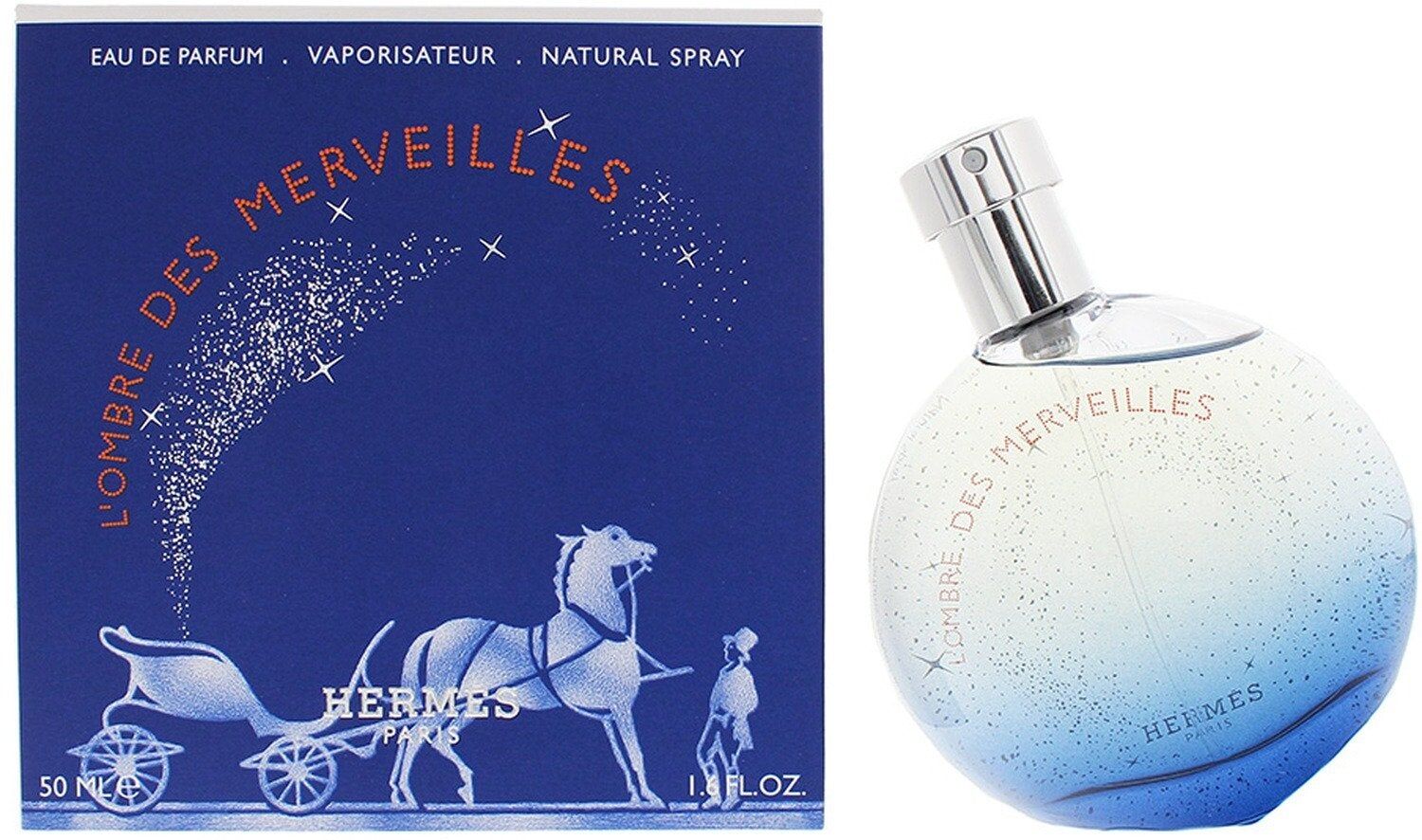
Hermes L'Ombre Des Merveilles - 50ml Eau de ParfumL'Ombre Des Merveilles by Hermes is a Oriental Woody fragrance for women and men. L'Ombre Des Merveilles was launched in 2020. Top note is Black Tea. Middle note is Incense. Base note is Tonka Bean.75,00 £*Shipping: 0,00 £Secure redirect to the provider
-
Hermes Terre d Hermes - 50ml Eau De Toilette SprayTerre d Hermes by Hermes is a Woody Spicy fragrance for men launched in 2006. Top notes are Orange and Grapefruit. Middle notes are Pepper, Pelargonium and Flint. Base notes are Vetiver, Cedar, Patchouli and Benzoin74,00 £*Shipping: 0,00 £Secure redirect to the provider
-
Valmont L´Elixir Des Glaciers Vos Yeux Youthful Eye Treatment 15mLA skin-care product for wrinkles and signs of ageing. L ´Elixir Des Glaciers Vos Yeux is an ultra-concentrated cream that visibly rejuvenates the eye contour, smoothing and combating puffiness and dark circles. This eye contour treatment, with a luxurious and unique texture, moisturizes intensely and reduces the visible appearance of fine lines and wrinkles.237,35 £*Shipping: 0,00 £Secure redirect to the provider
-
When do we use du, de la, de l', de and des in French?
In French, "du" is used before masculine singular nouns, "de la" is used before feminine singular nouns, "de l'" is used before singular nouns that begin with a vowel or silent "h", "de" is used before masculine or feminine singular nouns that are preceded by a specific quantity or expression of quantity, and "des" is used before plural nouns. These articles indicate the partitive or indefinite nature of the noun they precede, and they are used to express the idea of some, any, or a part of something. **
-
When do we use du, de la, de l', and des?
We use "du" when referring to masculine singular nouns, "de la" when referring to feminine singular nouns, "de l'" when referring to singular nouns starting with a vowel or silent 'h', and "des" when referring to plural nouns. These articles are partitive articles used to indicate an unspecified quantity or part of something. For example, "du pain" (some bread), "de la salade" (some salad), "de l'eau" (some water), and "des fruits" (some fruits). **
-
When do you use du, de la, de l' and des?
You use "du" when referring to masculine singular nouns, "de la" when referring to feminine singular nouns, "de l'" when referring to singular nouns that start with a vowel or silent "h", and "des" when referring to plural nouns. These are partitive articles used to indicate an unspecified quantity or some of something. For example, "du pain" (some bread), "de la confiture" (some jam), "de l'eau" (some water), and "des fruits" (some fruits). **
-
What are the explanations for the use of de, du, la, de l' and des in 7th grade French?
In 7th grade French, students learn to use "de," "du," "la," "de l'," and "des" to indicate possession, quantity, and partitive articles. "De" is used to show possession or origin, while "du" and "de la" are used to indicate a specific quantity of something. "De l'" is used before a singular noun starting with a vowel or silent "h," and "des" is used before plural nouns. These articles help students understand how to properly express ownership and quantity in French. **
Similar search terms for Hermes-L-Ombre-Des
-
AeroPress Clear Coffee PressOur iconic coffee press, made with the same patented technology, now available in clear, shatterproof Tritan™. 3-in-1 brew technology combines the best of several brew methods into one easy to use, very portable device.49,95 $*Shipping: 0,00 $Secure redirect to the provider
-
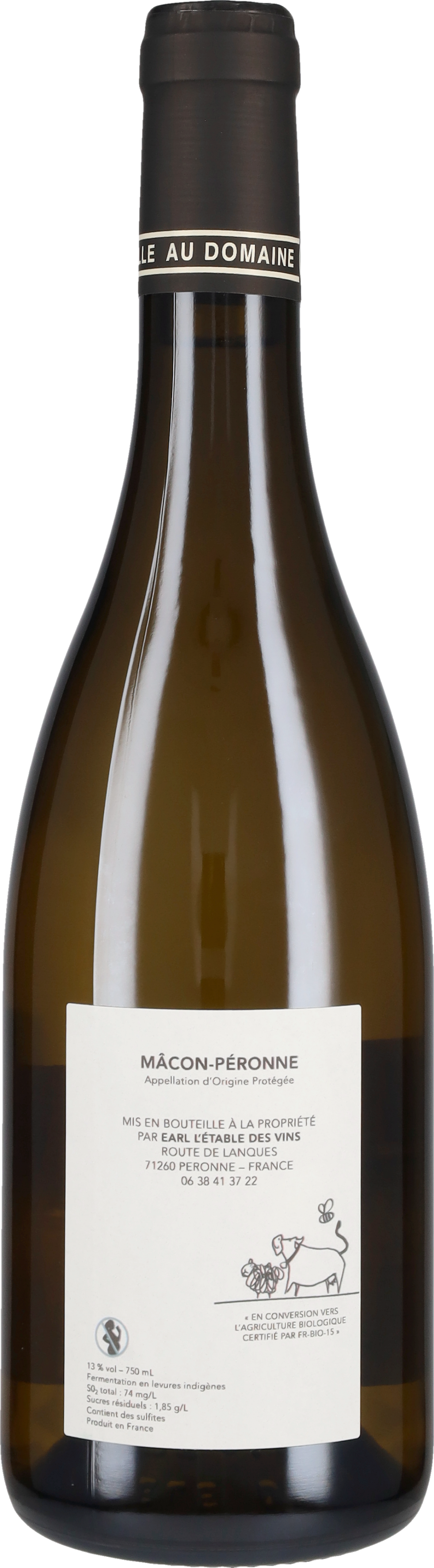
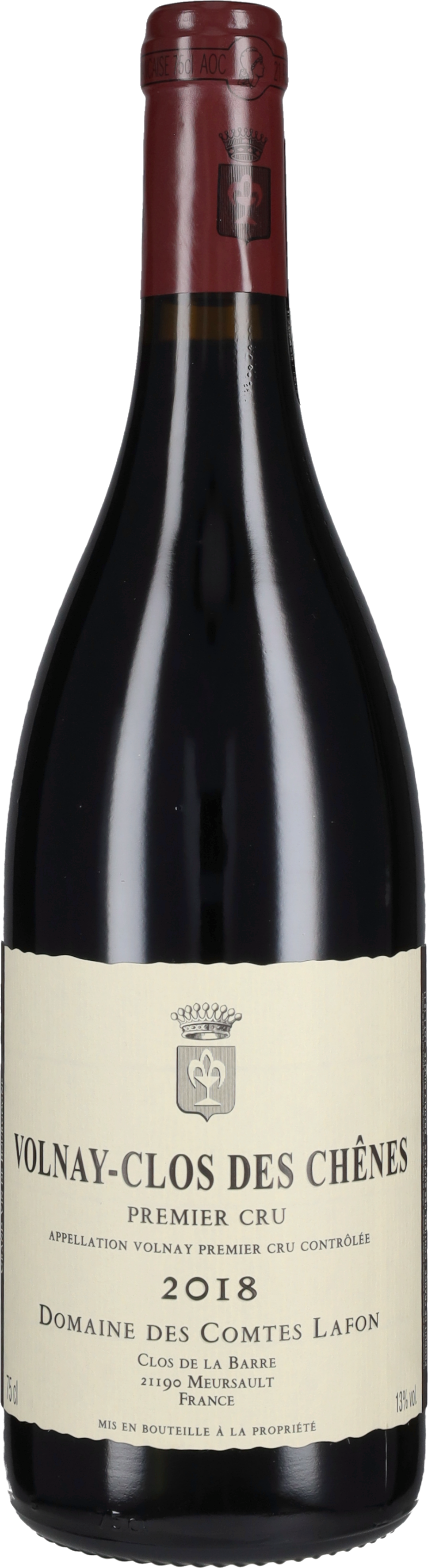
Volnay Premier Cru 'Clos des Chenes' Domaine des Comtes Lafon 2018The Volnay Premier Cru “Clos des Chenes” from Domaine des Comtes Lafon is a refined red wine. A pure Pinot Noir, delicate and finely nuanced, an authentic and clear expression of an Appellation famous worldwide for its elegance. Located in the heart of the Côte de Beaune, Volnay is near the relief of Mount Chaignot, and within its municipal territory, there are as many as 29 Climat classified as Premier Cru. Its fame is due to the work of the monks from the abbeys of Saint-Andoche d’Autun and Maizières, who enhanced its lands, composed of precious limestone soils, very suited for viticulture. It is a great wine to enjoy with poultry or small game roasted or spit-roasted. “Clos des Chenes” is a Volnay Premier Cru from a family-owned estate. Domaine des Comtes Lafon cultivates about 16 hectares of vineyards in several crus of the municipal territories of Meursault, Monthélie, Volnay, and Chassagne-Montrachet. The grapes come from a small plot of 38 acres located in the north-west part of the municipal territory of Volnay. The vines are about 30 years old and originate from a mass selection of the best plants of the domaine. The vines root in shallow soils, resting on limestone bedrock. At the end of the harvest, the grapes are carefully selected and fermented in temperature-controlled stainless steel tanks, using only indigenous yeasts and with a maceration on the skins of about three weeks. After a static decantation, the wine matures in French oak barriques, about a third new, for a period of 18-22 months depending on the characteristics of the vintage. The Volnay Premier Cru “Clos des Chenes” from Domaine des Comtes Lafon is a Pinot Noir that well expresses the sophisticated personality of this extraordinary terroir of the Côte d’Or. In appearance, it presents a light ruby red color with bright purple reflections. Refined and highly elegant, it reveals on the nose a bouquet characterized by subtle violet aromas, raspberry scents, red currant, marasca, delicate spicy notes, hints of graphite, and slight smoky nuances. Of medium structure, it has a very fine tannic texture perfectly integrated into the body of the wine, a fragrant fruit, enveloped by complex tertiary aromas, which enrich its depth, making the tasting experience unforgettable. The finish is long, persistent, and characterized by a pleasant sensation of freshness.398,00 £*Shipping: 48,00 £Secure redirect to the provider
-
What are the meanings and uses of the French articles au, aux, ae, la, du, des, de la, and de l'?
The French articles "au" and "aux" are contractions of "à le" and "à les" respectively, and are used to indicate a specific location or destination. "La" is the singular feminine definite article, used before singular feminine nouns. "Du" is the contraction of "de le" and is used before masculine singular nouns. "Des" is the plural form of "du" and is used before plural nouns. "De la" is used before singular feminine nouns to indicate possession or origin. "De l'" is used before singular nouns starting with a vowel or silent "h". These articles are essential in French grammar to indicate gender, number, and possession. **
-
Is it "des August" or "des Augusts"?
The correct form is "des Augusts." In German, when indicating possession or association with a month, the genitive case is used. Therefore, when referring to something belonging to or associated with the month of August, it should be "des Augusts." **
-
Is it "des Indexes" or "des Index"?
The correct form is "des Indexes." In French, when a word ends in "x" and is masculine, the plural form is created by adding "es" to the end of the word. Therefore, "des Indexes" is the plural form of "des Index." **
-
Is it "des Betriebs" or "des Betriebes"?
Both "des Betriebs" and "des Betriebes" are correct in German. "Des Betriebs" is the more commonly used form, while "des Betriebes" is considered more formal and less frequently used in modern language. Both forms are genitive cases of the noun "Betrieb" and can be used interchangeably depending on the context and personal preference. **
* All prices are inclusive of VAT and, if applicable, plus shipping costs. The offer information is based on the details provided by the respective shop and is updated through automated processes. Real-time updates do not occur, so deviations can occur in individual cases. ** Note: Parts of this content were created by AI.